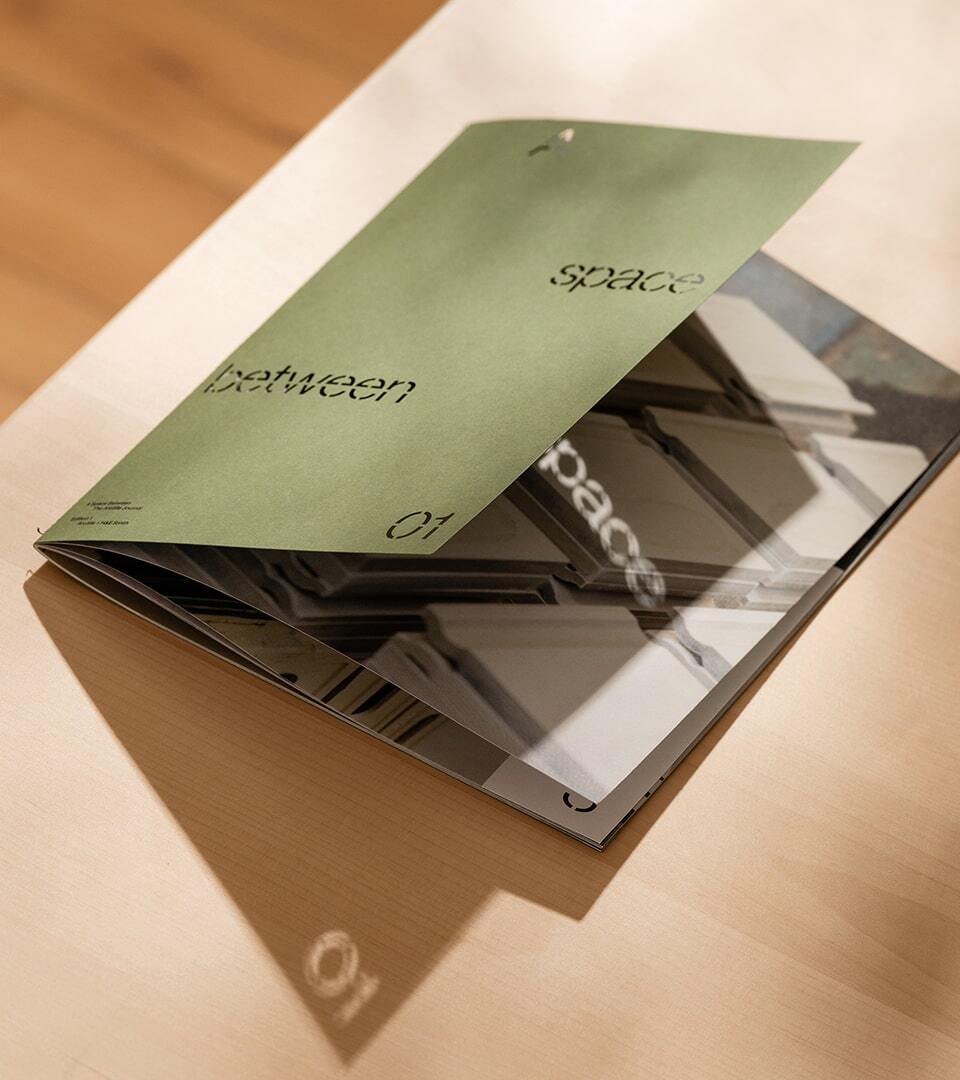
Arcitile + Automatica
A Space Between Automatica
Date February 2026
Location Clerkenwell, London, UK
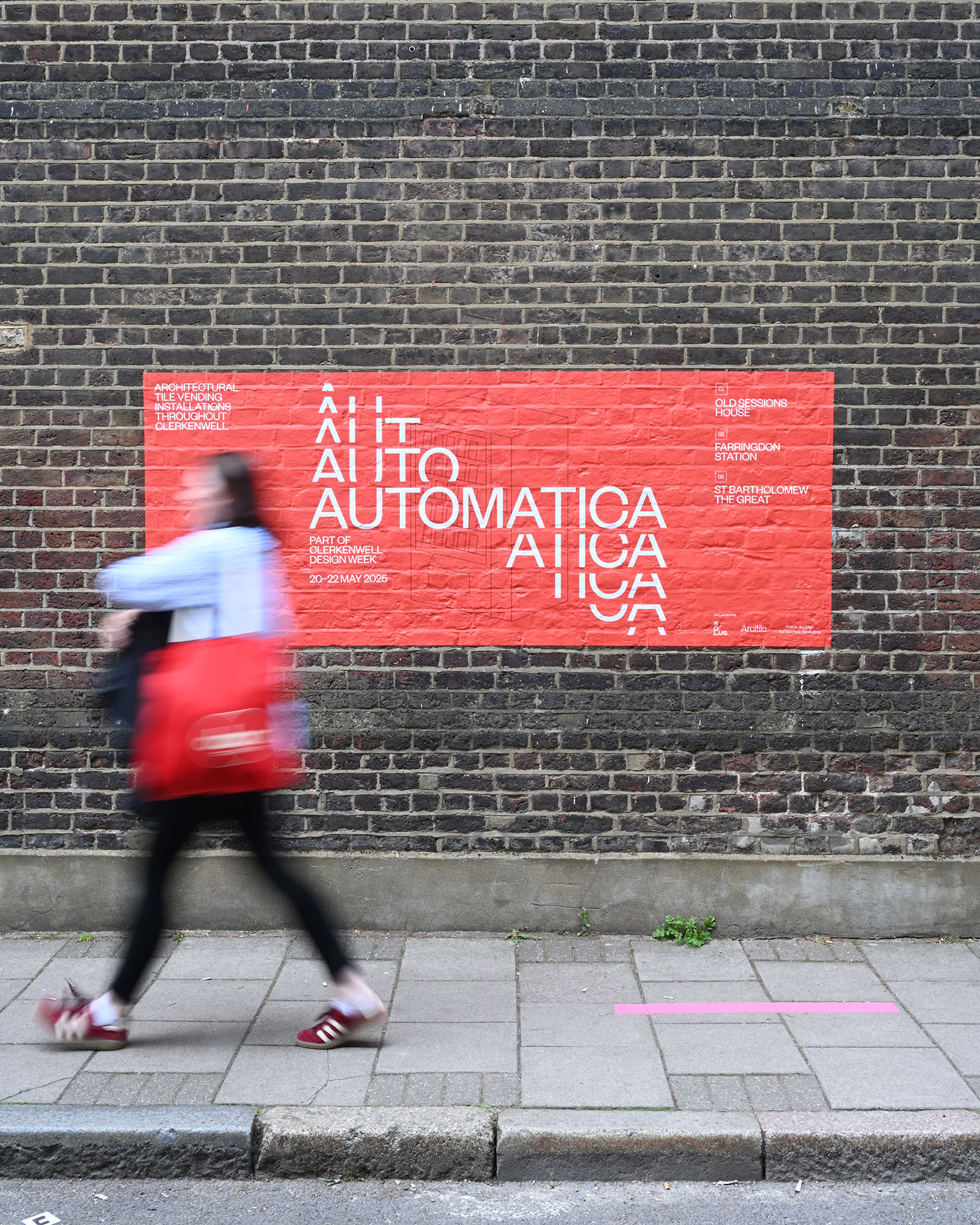
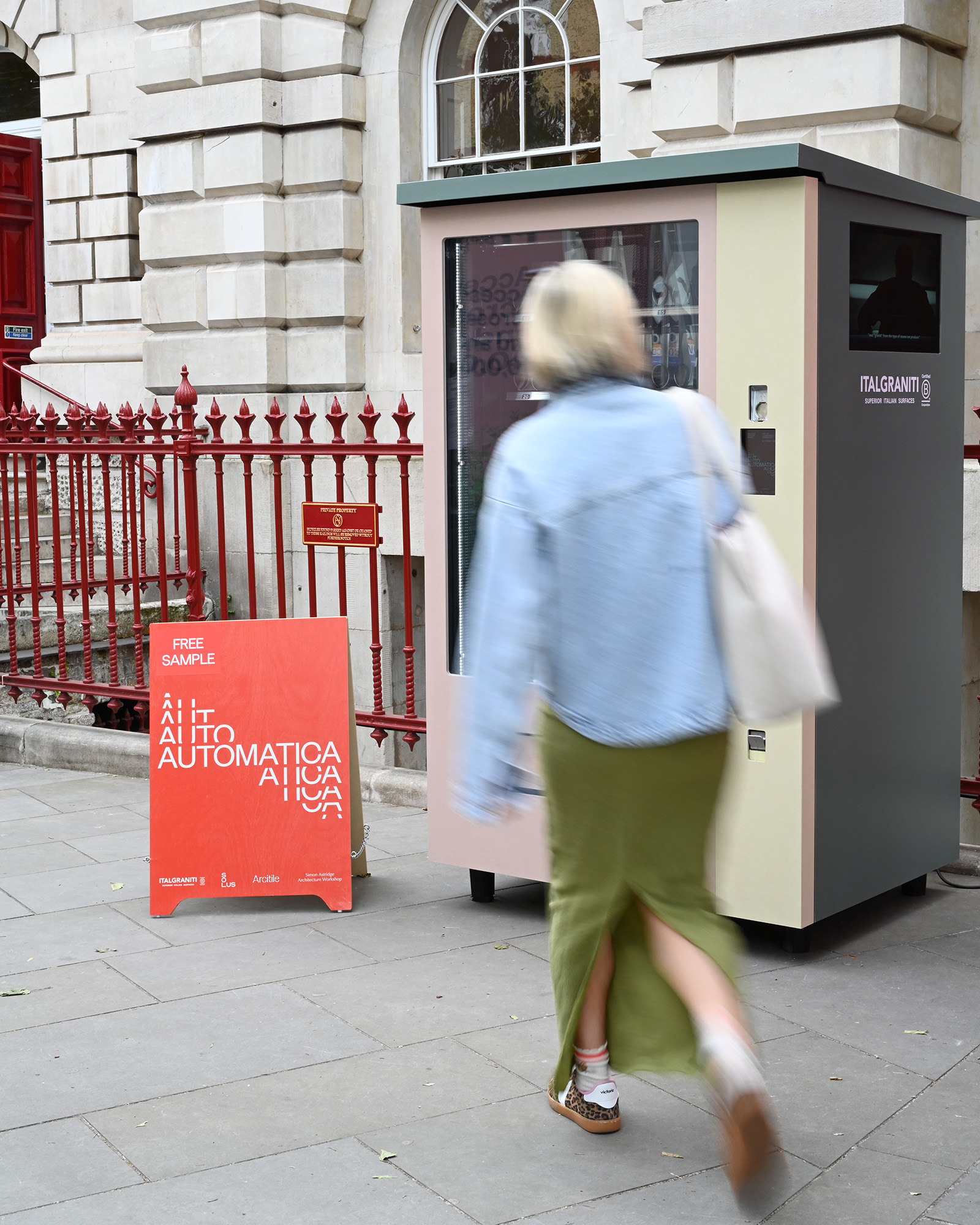
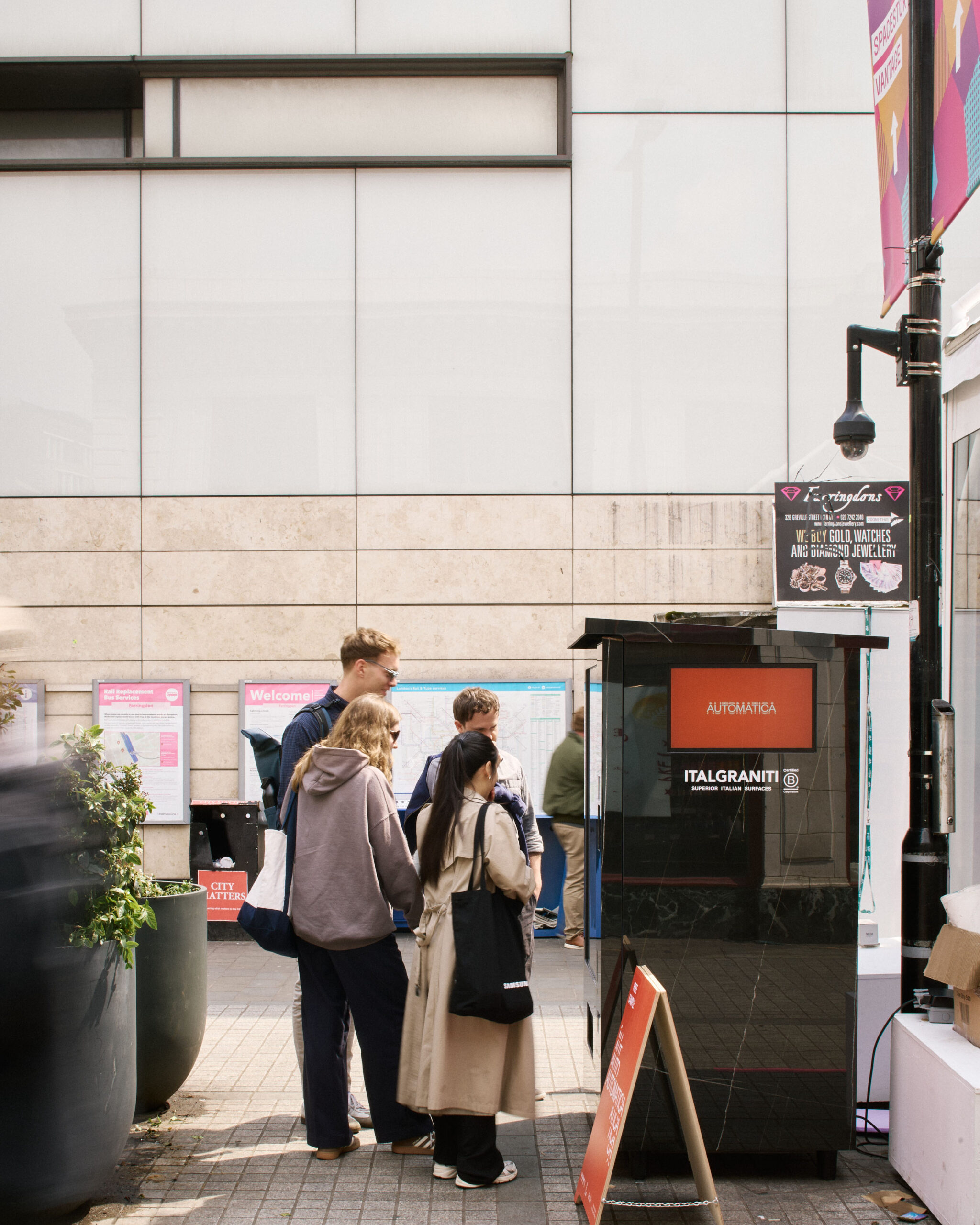
Like blocks of stone awaiting the sculptor’s hand, three vending machines stood quietly across Clerkenwell during Design Week 2025. Clad in Italgraniti porcelain, they weren’t selling snacks or drinks: they were dispensing tile samples. The project was called Automatica and we were the ones who made it happen.
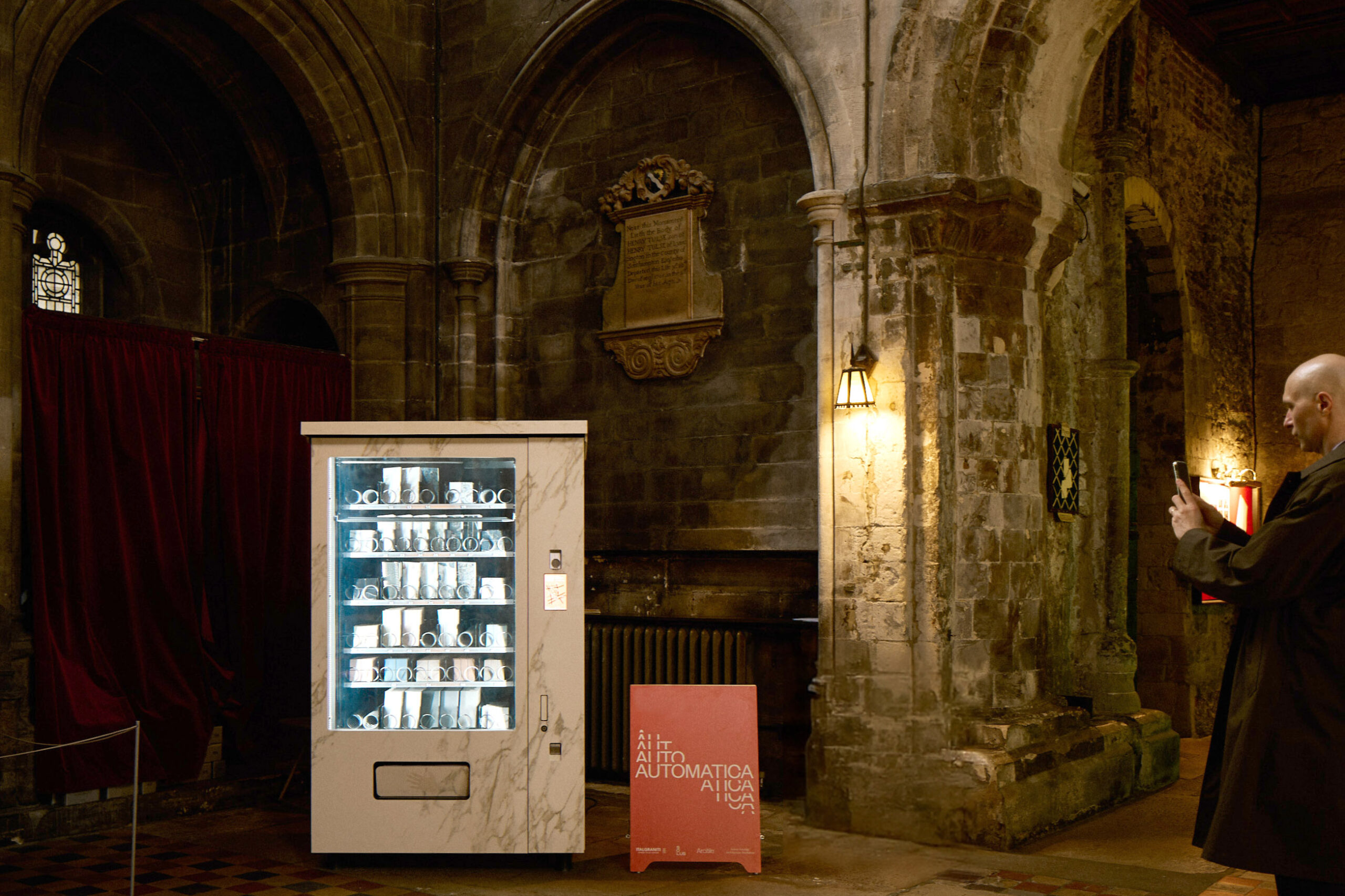
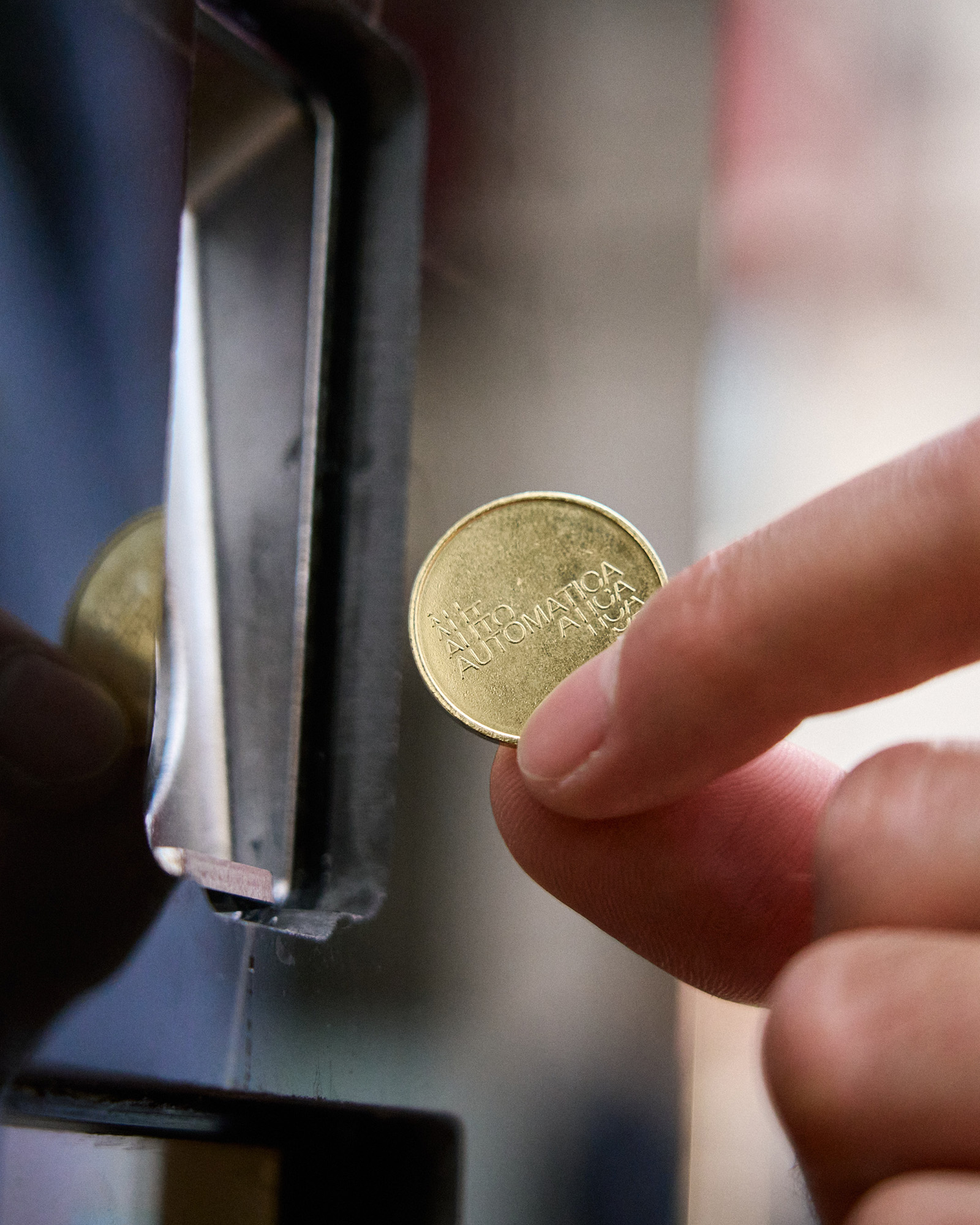
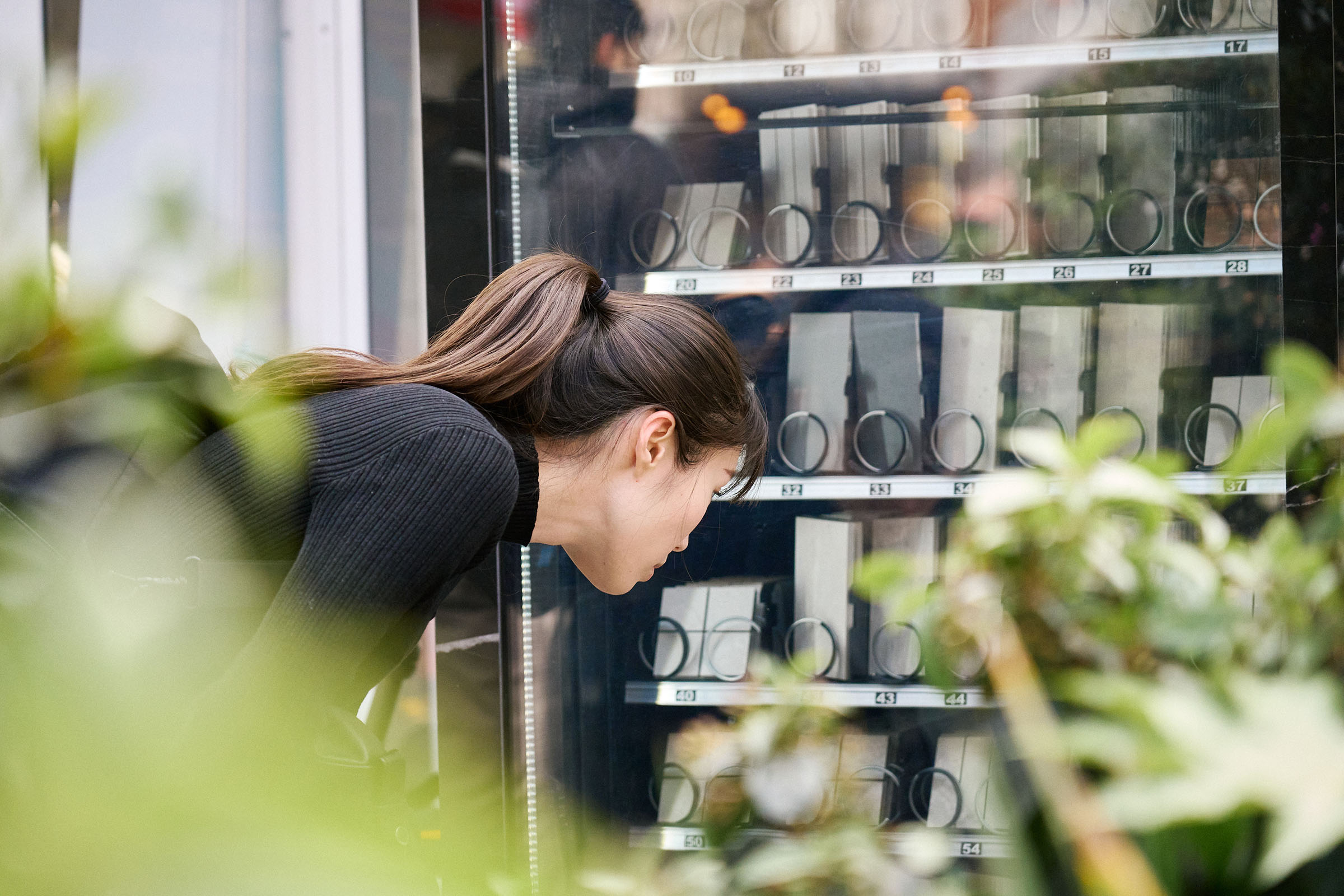
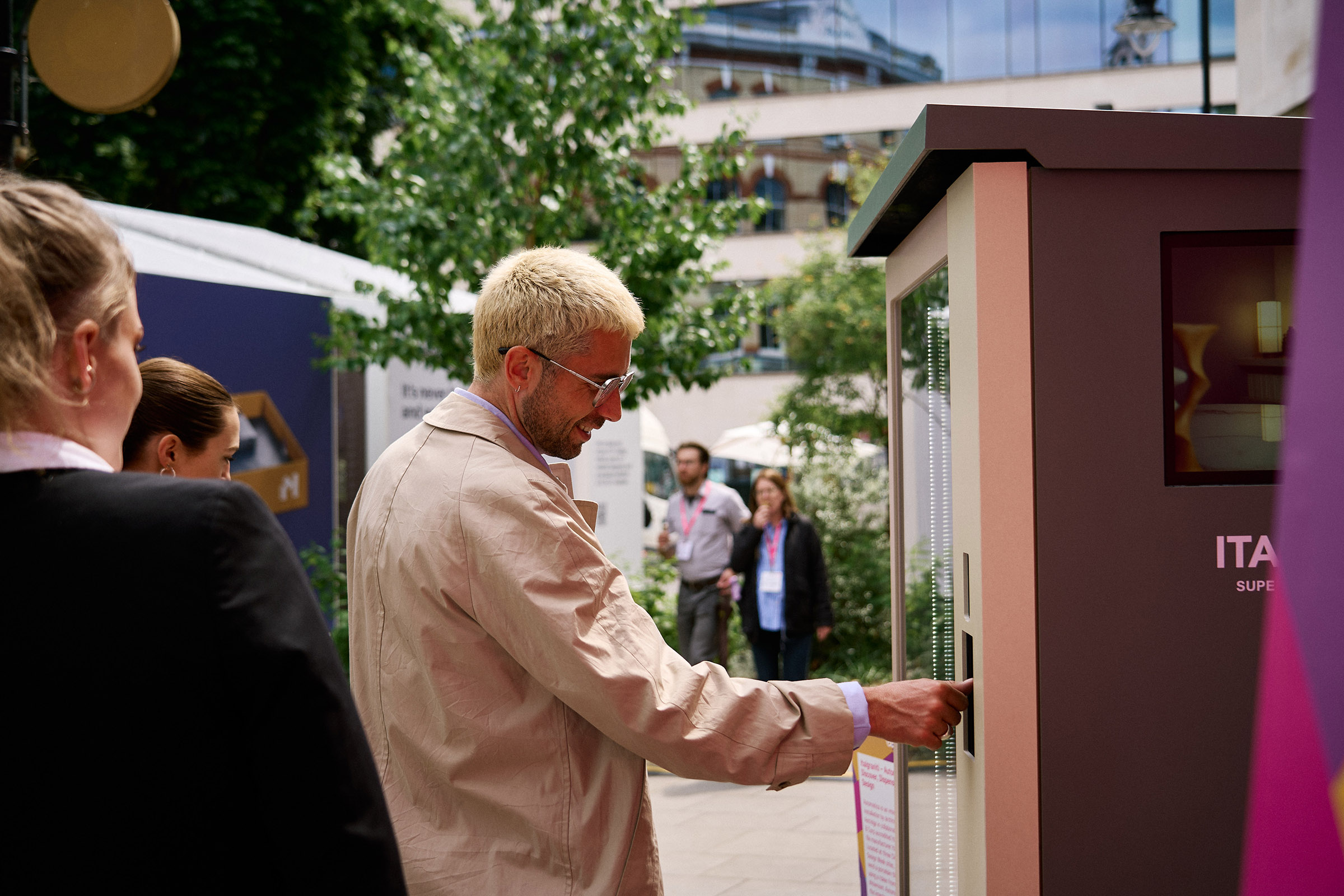
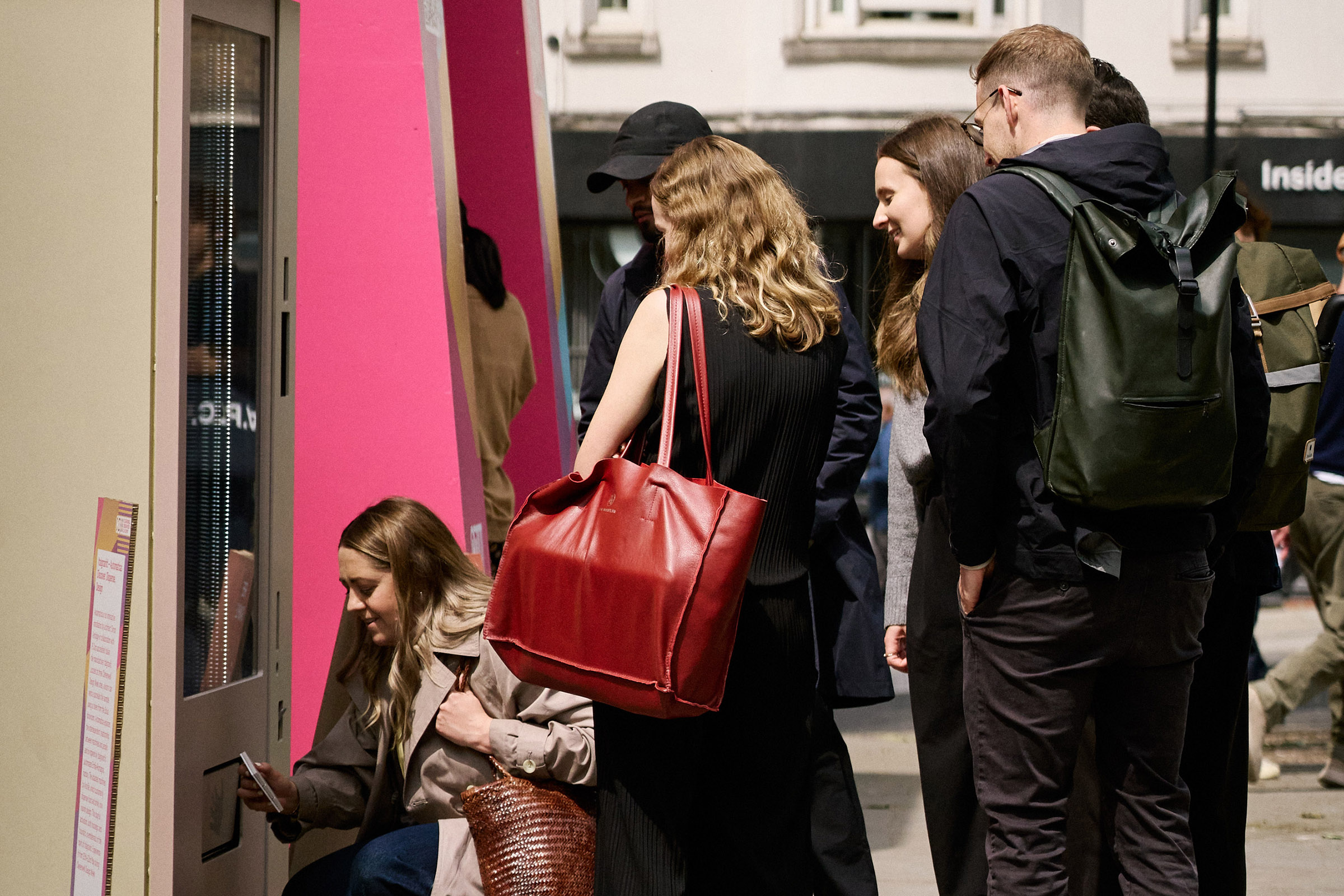
At first glance, Automatica was pure joy. People stopped, curious. They dropped in a token and received a slice of precision-cut porcelain. It made them smile, double-take, and reconsider the relationship between people, materials, and machines. A small, joyful exchange but one that carried conceptual weight.
Behind that simplicity was something else entirely: a logistically intricate, technically demanding, and almost absurdly complex operation. The kind of project that most companies would politely decline. Not us. We embraced the complexity, solved the problems, and brought the vision to life quietly, precisely, and beautifully. What emerged was not only an installation, but a showcase of what Arcitile does best: delivering challenging creative projects with calm, capable brilliance.
Modena
The Concept
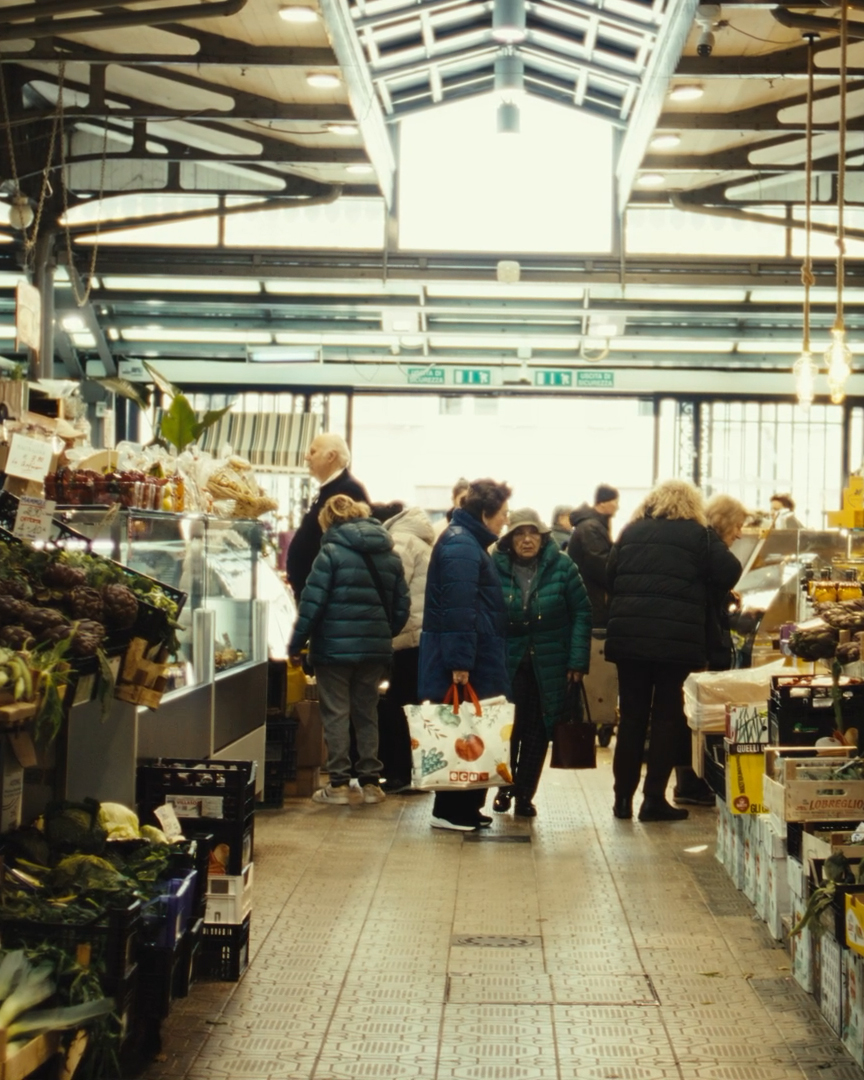
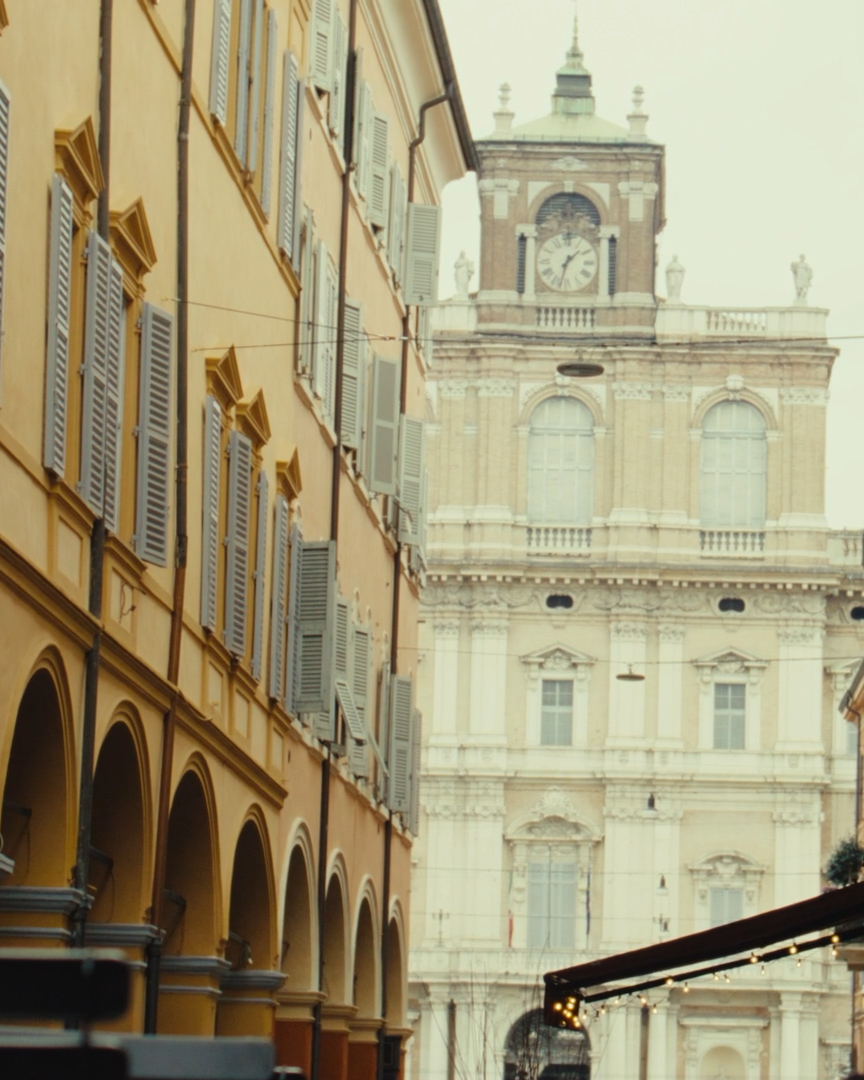
The idea took shape inside Italgraniti’s vast factory near Modena. It’s a place of quiet choreography: staff move between departments on bicycles, pausing occasionally at vending machines; colossal robots roll silently through the aisles, transporting tonnes of material with balletic poise. The atmosphere is strangely serene, an industrial space humming with coordination.
When architect Simon Astridge and Solus Creative Director Sam Frith visited, they were struck by the balance of precision and calm. “It felt like an idea we had to share,” Sam recalls. “And our relationship with Italgraniti is a really important one, so we needed a partner who could not only execute it but protect the intent. That’s why we asked Arcitile.”
Their concept was elegant: porcelain-clad vending machines that would dispense tile samples to Clerkenwell’s design crowd. Tactile, analogue, and just odd enough to lodge in the memory. It was also, predictably, a nightmare to deliver.
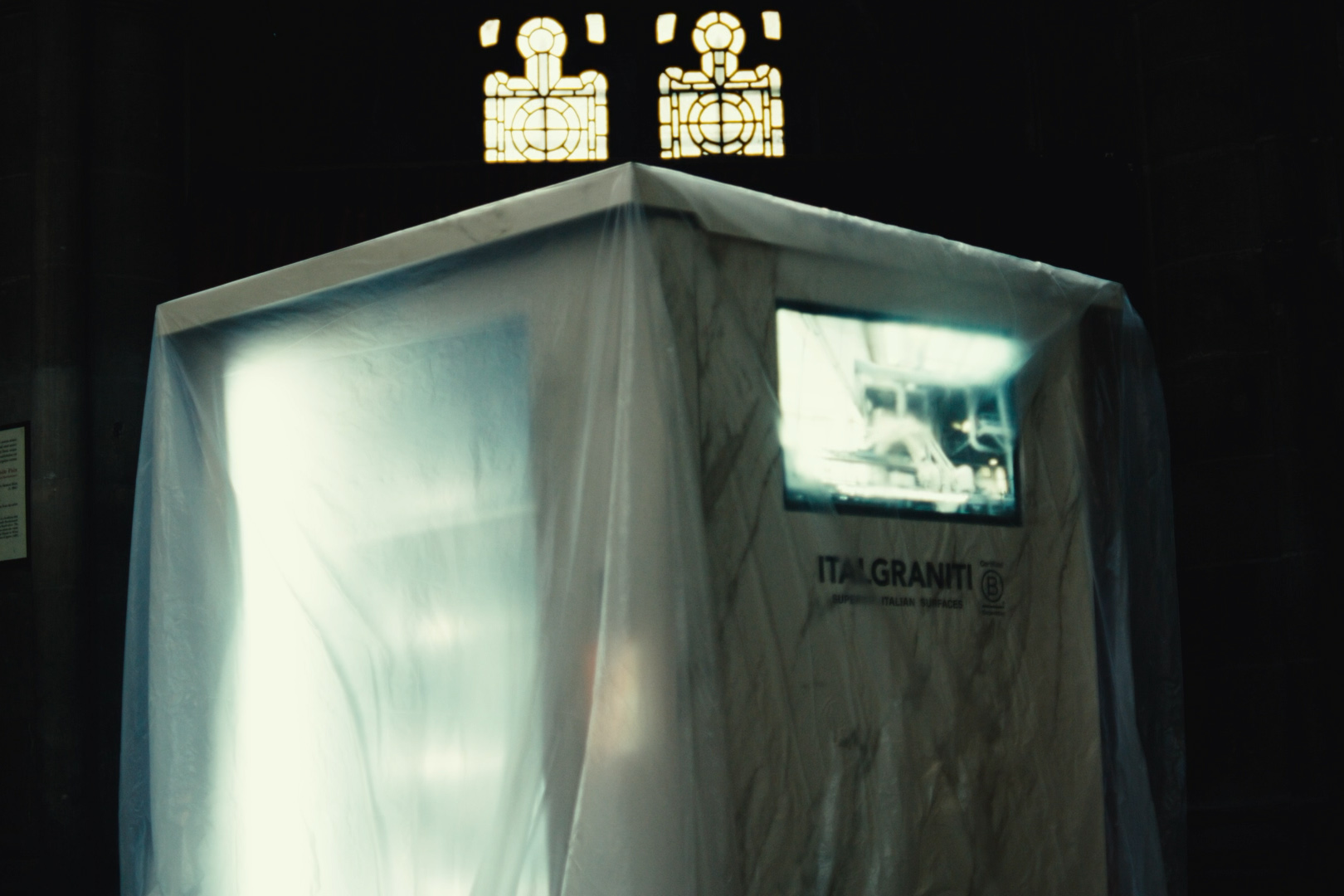
“Imagine tiling a washing machine. You’ve got this vibrating, heavy, hot metal box, and someone’s asked you to make it beautiful and precise. That’s not a spec you can Google."
The Challenge
We were asked to turn three industrial vending machines into elegant, functioning design statements and install them across public, heritage-sensitive sites, during one of the UK’s busiest design festivals.
01 — Testing tolerances
Vending machines aren’t built to carry porcelain. We had to work from first principles: testing weight, stability, and safety with live loads and real samples.
02 — Engineering precision
The tile cladding needed custom water-jet openings for coin slots, screens and drawers. Doors had to stay operable for restocking. Every hinge, every return, every interface had to be resolved. Nothing could be guessed.
03 — Solving last-minute snags
The custom metal tokens were engraved late in the process. Just before launch, we discovered the new weight rendered them unusable. We coordinated a complete redesign and system reprogramming with only days to spare.
04 — Managing logistics
Each location brought its own constraints: narrow streets, cobbled paving, building lines, and visibility restrictions. We worked with sensitivity and discretion to install, protect and eventually remove the machines, all while keeping the focus on the installation itself.
Clerkenwell
Our Role
People often assume we’re a tiling company. But Automatica was a textbook example of what we really are: a project management company that happens to specialise in tiles. We oversaw the entire process; from interpreting the design intent and managing suppliers, to resolving the on-site engineering and delivering the final result. We weren’t just executing someone else’s plan; we were translating a conceptual idea into built reality.
When the cladding was first applied, we pulled the team back and redid sections. Not because they were wrong, but because they weren’t quite right. That’s not micromanagement, it’s about consistency. It’s about doing the job as if the architect is watching, even when they’re not — something Simon Astridge understood instinctively.
“I’ve worked with Arcitile before, and I trust them completely. With a creative idea like this, you need someone who won’t compromise when things get tricky. I knew they’d deliver it properly.”
The Reception
When Design Week opened, we waited. Would people get it? Would they interact with it? They did. A trickle became a crowd. Visitors exchanged tokens, retrieved tiles, posted on social media and came back with friends. It was tactile, generous, a little strange and strangely delightful.
We overheard: “You’re telling me this actually works?”, “I got a tile. Like, a real one.” and “Best thing I’ve seen all day. I don’t even know what it is, but I love it.”
Dezeen, ICON and Mix Interiors all covered it. Italgraniti reached a new, design-savvy audience. Solus saw a sharp increase in footfall and interaction. And for us? It was a quiet success, one where the real work stayed largely invisible.
The Takeaway
Automatica sits somewhere between object and installation, between sculpture and marketing. It’s simple on the surface and deeply complex underneath.
For us, it wasn’t a one-off. It was a compressed example of what we bring to every project: clear interpretation of the brief, precise technical management, and unshakable control of quality.
“If we don’t lead the interpretation of the design,” Dan says, “then we’re just dispatching labour. That’s not who we are. We’re here
to make the detail matter.”
We don’t just coordinate; we shape. We don’t just deliver; we elevate. Automatica didn’t succeed because the idea was strong (though it was). It succeeded because it was delivered by people who know how to make complex things happen: precisely, patiently, and to the highest possible standard.
A Space Between
The Arcitile Journal
Edition 4
Arcitile + Automatica
Architect
Simon Astridge Architecture
Automatica Concept
Simon Astridge
Sam Frith
Client
Italgraniti & Solus
Words
Conleth Buckley
Videography
Superbeam
Photography
Dion Barrett
With thanks
Vladimirs Hamidovs, Installer
Brendon Heather, Apprentice Installer
Special thanks
Federico Cottafava, Italgraniti
Antonino Mangiafico, Italgraniti
Paulina Machaj, Tailor-made+
Katie Mitchelmore, Solus
Concept + Design